Lesson 23: Kk /k/
- Reading Bulilit
- Beginning Readers
What Will We Learn Today?
Today we’re learning the letter Kk, which spells the sound /k/—as in kite or kid. In this lesson, your child will learn how to say the /k/ sound, write uppercase and lowercase Kk, and blend and read short words, phrases, and connected sentences using this crisp, unvoiced consonant.
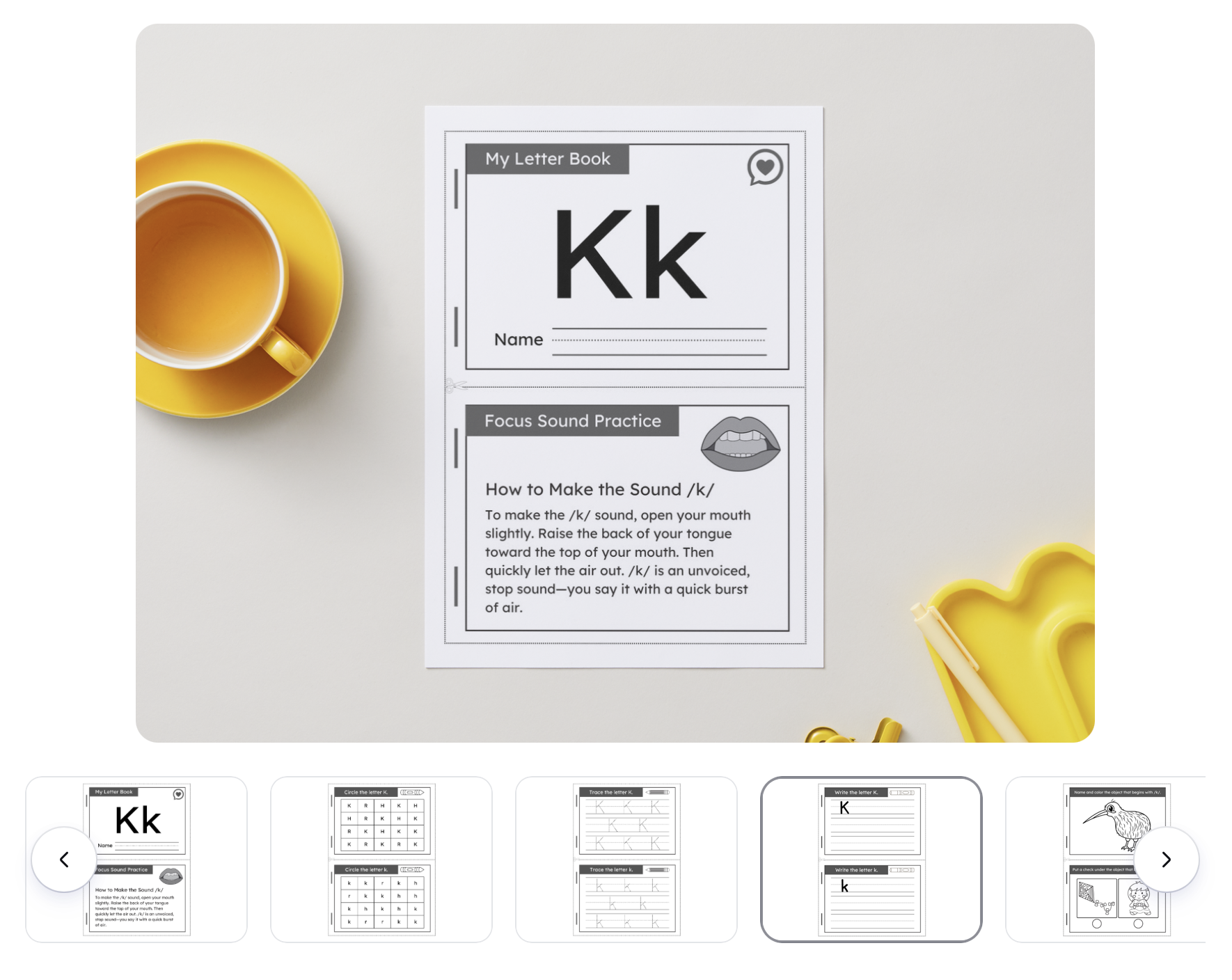
How to Make the /k/ Sound
The /k/ sound is an unvoiced stop sound made in the back of the mouth.
Here’s how to help your child say it:
Open your mouth slightly.
Raise the back of your tongue toward the top of your mouth.
Do not turn your voice on.
Let out a quick burst of air: /k/
It’s the same mouth shape as /g/, but without your voice box on.
Articulate
Say it together:
“Let’s say /k/ like a kite kicking off the ground—/k/!”
Try whispering it for fun: /k/… /k/…
Let your child feel the air puff from their mouth.
How to Write the Letter Kk
Time to grab your whiteboard and marker!
Uppercase K
Draw a straight vertical line down.
From the top, draw a slanted line to the middle.
Then draw another slanted line from the middle down and out to the right.
Lowercase k
Draw a straight line down.
From the middle of the line, draw a short slanted line up and left.
Then draw a slanted line down and to the right.
Practice tracing and forming the letter with chalk, sand, or finger painting to make it fun.
Download the presentation here:
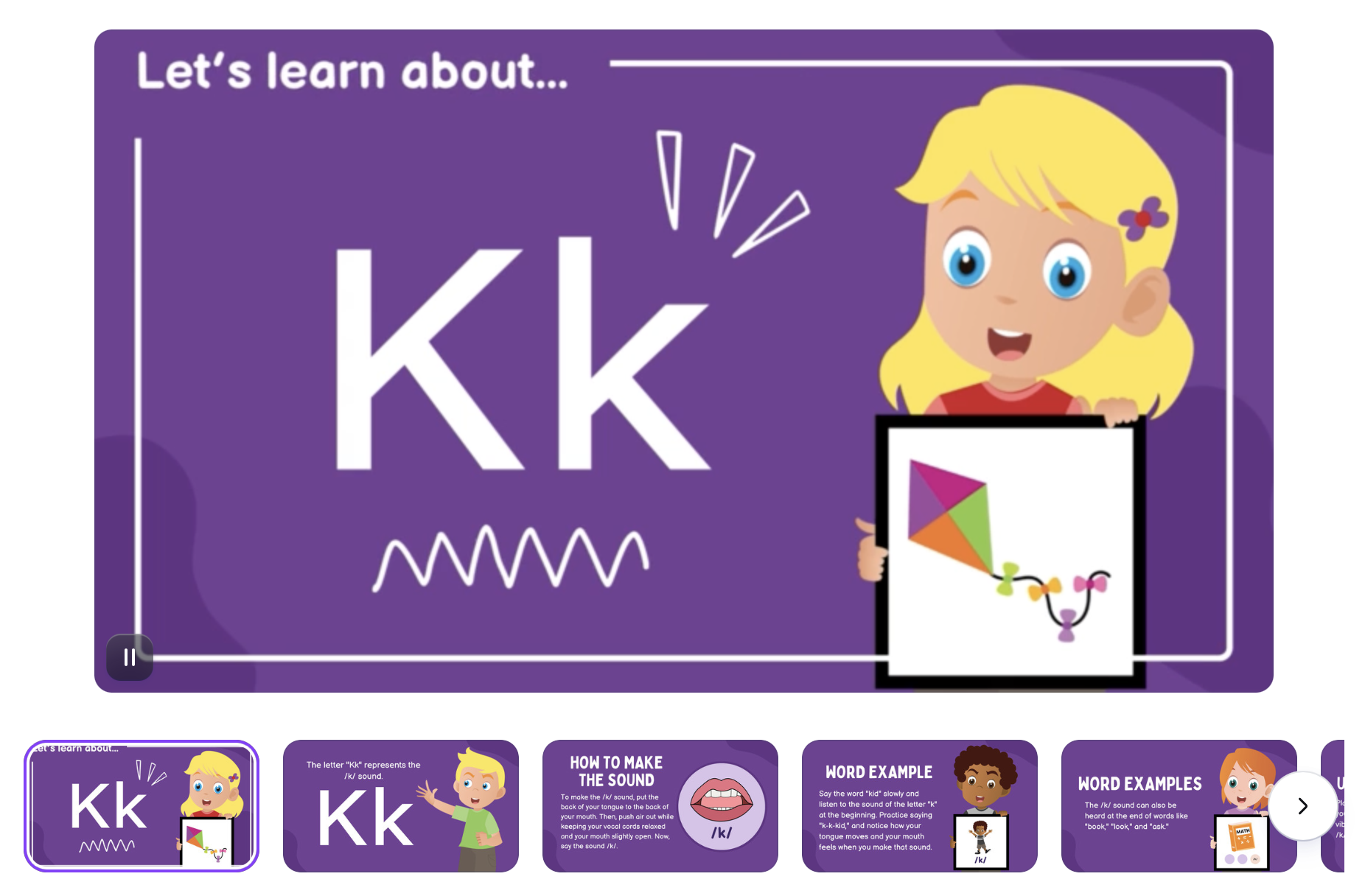
https://www.canva.com/templates/EAGPqWNto_c-letter-kk-presentation/
Let’s Practice Reading Words
Practice blending words with the /k/ sound:
skid – kid – skip – disk – skim – kin – skit – mask – kit – skin – desk – tusk
Model slowly:
“/k/ – /ĭ/ – /d/” → kid
Then say it smoothly: kid
Let’s Practice Reading Phrases
the fun mask
a tan tusk
a big desk
a kid and a dog
Have your child point to each word as they read. Then reread the whole phrase together.
Let’s Practice Reading Sentences
The kid can skip.
The tusk is on the mat.
Ask your child to find the words with the /k/ sound and underline them.
Let’s Practice Reading Connected Sentences
Ken got a mask.
The mask fits Ken.
Gab got a mask.
The mask is big.
Ken and Gab skip on a disk.
“Is it fun to skip?” asks Gab.
“It is fun!” said Ken.
Ask:
Who got a mask?
What did Ken and Gab do?
Where did they skip?
Color, Trace, and Write
Use worksheets where your child can:
Color pictures with /k/ words (e.g., kite, kid, mask)
Trace uppercase and lowercase Kk
Write the letter independently
Download the Kk Worksheets Here:
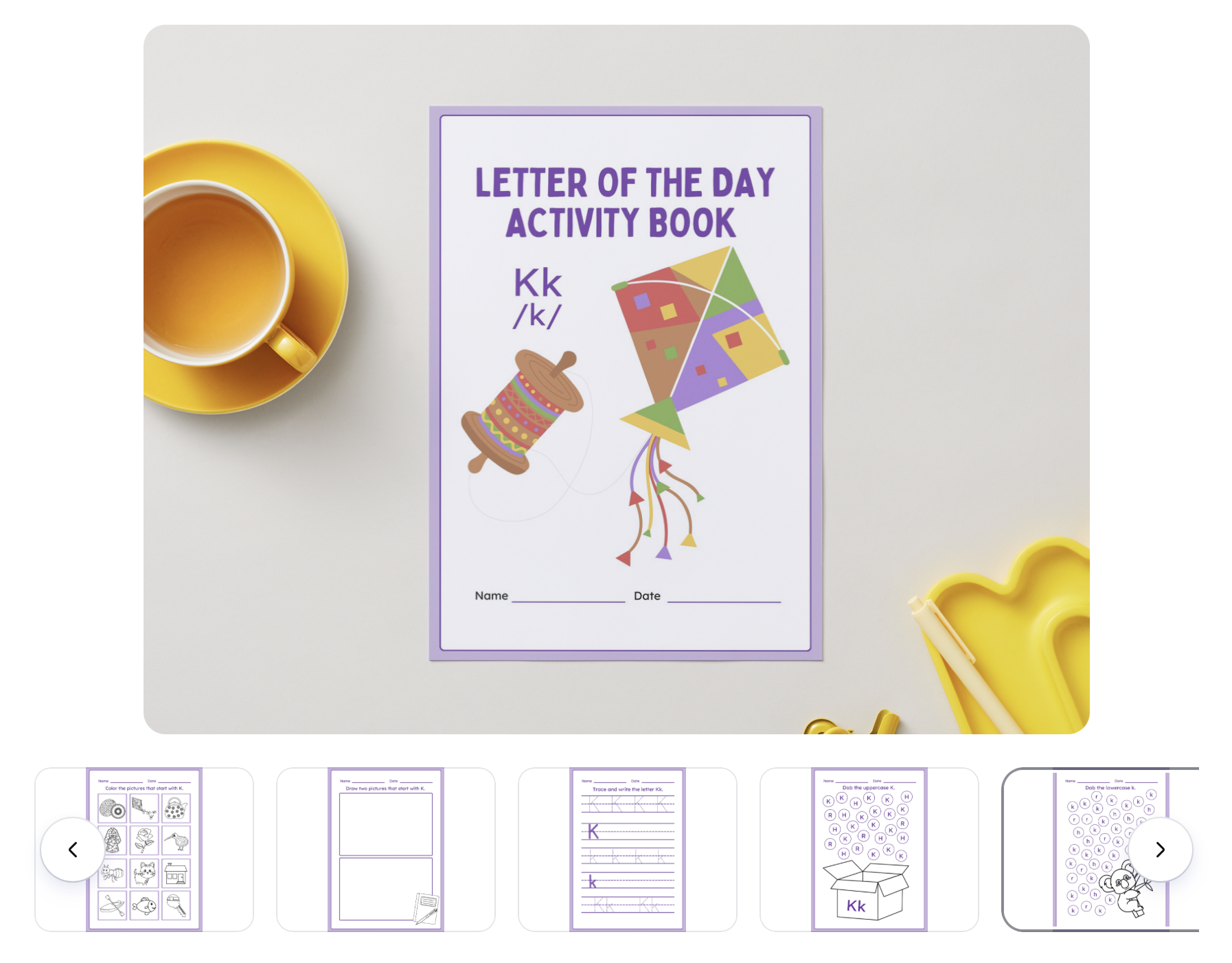
https://www.canva.com/templates/EAE3jyIHgUU-letter-kk-worksheet/
Flashcards – Beginning Sound Focus
Use picture flashcards to help your child recognize the /k/ sound at the beginning of words.
Examples:
kite
kitten
kid
kick
Ask: “What sound does this word start with?” “Which letter spells that sound?”
Download Kk Flashcards – Beginning Sound Set Here:
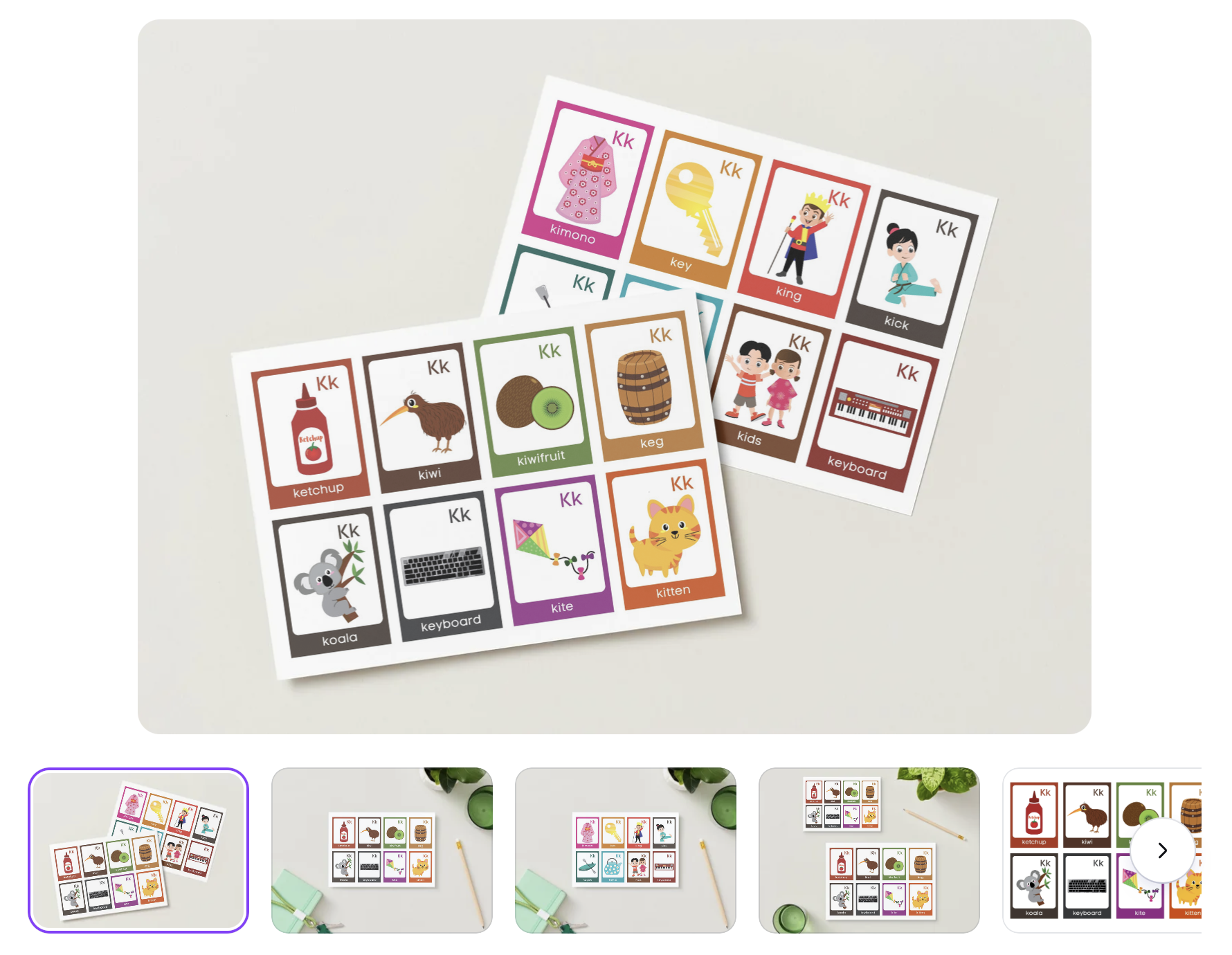
https://www.canva.com/templates/EAE2HwFurQg-letter-k-alphabet-phonics-flashcards/
Conclusion
The /k/ sound is quick, clear, and helps children build strong decoding skills. With practice in saying, writing, and reading /k/ words, your child will become a more confident and fluent reader.
Keep practicing—and ask your child: “Can you find a word today that starts with /k/?”