Lesson 15: High-Frequency Word “is”
- Reading Bulilit
- Beginning Readers
What Will We Learn Today?
In today’s lesson, we’re learning the high-frequency word “is”. This small but important word appears in almost every early reader’s book. Your child will learn to say, read, and understand the word “is”, and use it in simple, meaningful sentences.
How to Say the Word “is”
The word “is” has two sounds:
/ĭ/ as in sit
/z/ as in zoo
Blend the two sounds together to read the word: /ĭ/ + /z/ = is
Practice reading the word together: is, is, is
Repeat it slowly, then quickly: /ĭ–z/ → is
What Does the Word “is” Mean?
We use “is” to tell what someone or something is doing or being right now. It often comes after a person’s name, he/she/it, or a noun.
Examples:
Tim is happy.
The tot is sad.
Mom is mad.
It is not hot.
The word “is” helps children build full sentences and talk about what’s happening in the present.
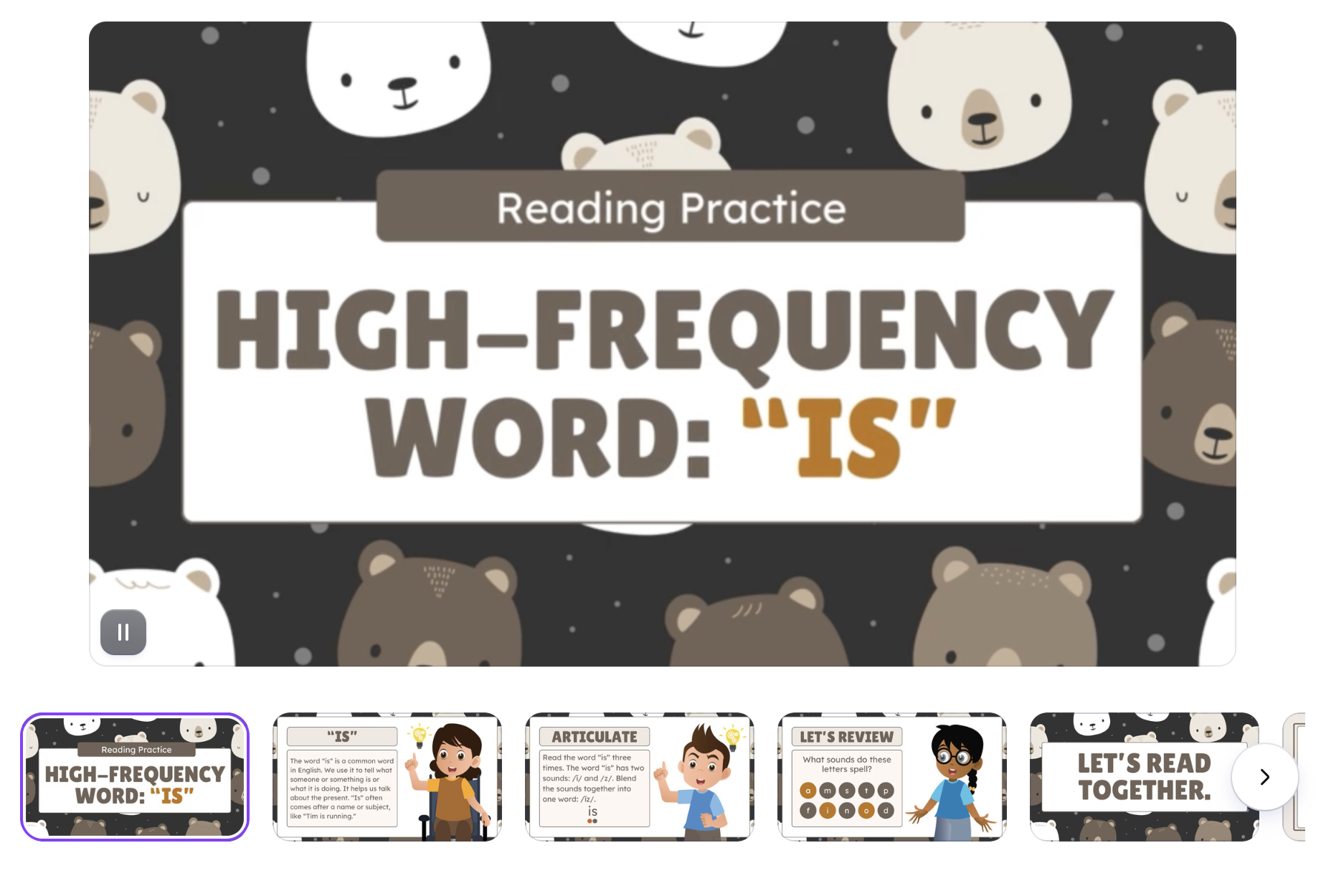
Download the presentation here:
Fun and Meaningful Activities for the Word “is”
Read and Circle the Word
Write a few short sentences that include “is” and ask your child to circle the word each time they find it.
Examples:
Dad is sad.
Mom is mad.
It is a tot.
Tim is not mad.
Ask: “Where do you see the word ‘is’? Let’s say it as we point to it.”
Build the Word with Letters
Help your child build is using magnetic letters or letter tiles.
Spell it aloud: i – s
Blend it: /ĭz/
Say the whole word: is
Let your child repeat the build-and-read process for automatic recognition.
Let’s Practice Reading Phrases
Practice short phrases using words your child already knows, including the word “is”:
is sad
is not fit
is a dot
is not mad
is a man
is not a fad
Blend the words together slowly, then read them fluently as a phrase.
Let’s Practice Reading Connected Sentences
These short, decodable sentences combine high-frequency words and CVC patterns your child has learned:
Tim and Tom nod.
Tim, pat the tot.
Tom, pat the tot.
The tot is sad.
Mom is mad.
Dad is mad.
Ask: “Can you find the word ‘is’? What is happening in the story?”
Let’s Practice Reading Sentences
Try these sentences for continued reading fluency:
Dad is not mad at Tim.
Nan is sad and mad.
The pot is not on top.
It is not dim.
Encourage your child to read each word aloud and use picture support or gestures if needed to understand meaning.
Write It, Say It, Find It
On a whiteboard or worksheet:
Write the word “is” three times
Say the word each time
Spell the word aloud
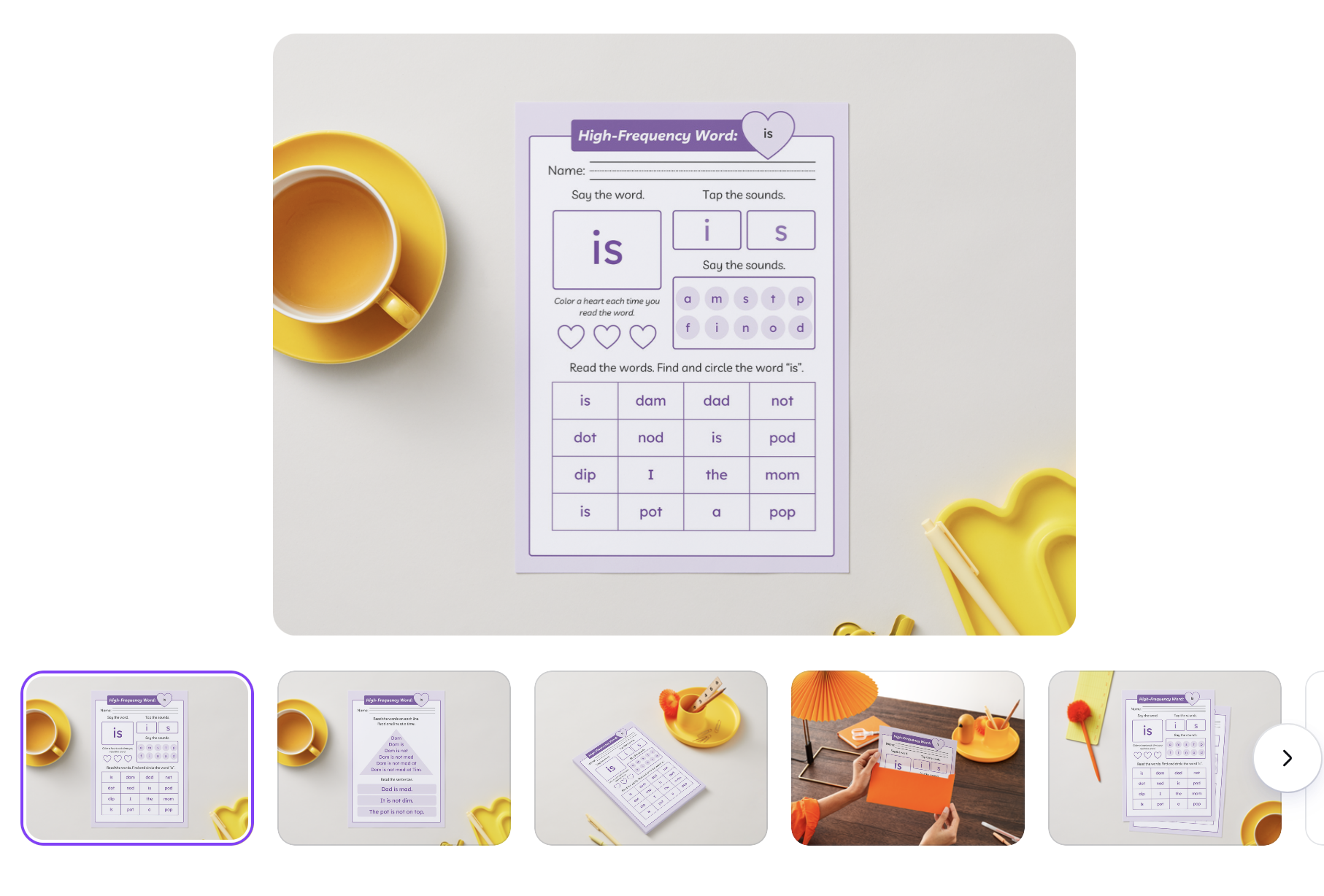
Download the “is” Practice Worksheet Here:
Conclusion
The word “is” may be short, but it plays a big role in building full sentences. With blending, writing, and simple reading practice, your child will grow more confident in using this important word across everyday conversations and texts.
Keep practicing in context. What sentence can your child make using the word “is” today? Share it in the comments!