Lesson 27: High-Frequency Word “do”
- Reading Bulilit
- Beginning Readers
What Will We Learn Today?
Today we’re learning the word “do”—a high-frequency word that appears in many questions, actions, and instructions. In this lesson, your child will learn how to read the word “do”, understand its meaning, and practice using it in short phrases and connected sentences.
How to Read the Word “Do”
The word “do” has two sounds:
/d/ – like in dog
/ū/ – a long vowel sound, like in blue
Blend them together: /d/ + /ū/ = /dū/ → do
What Does “Do” Mean?
We use “do” to talk about actions.
It can mean to act, complete, or perform something.
You might hear it in:
“Do your best.”
“Do a dance.”
“Do you see it?” (in questions)
“Do” helps us describe what someone is doing or should do.
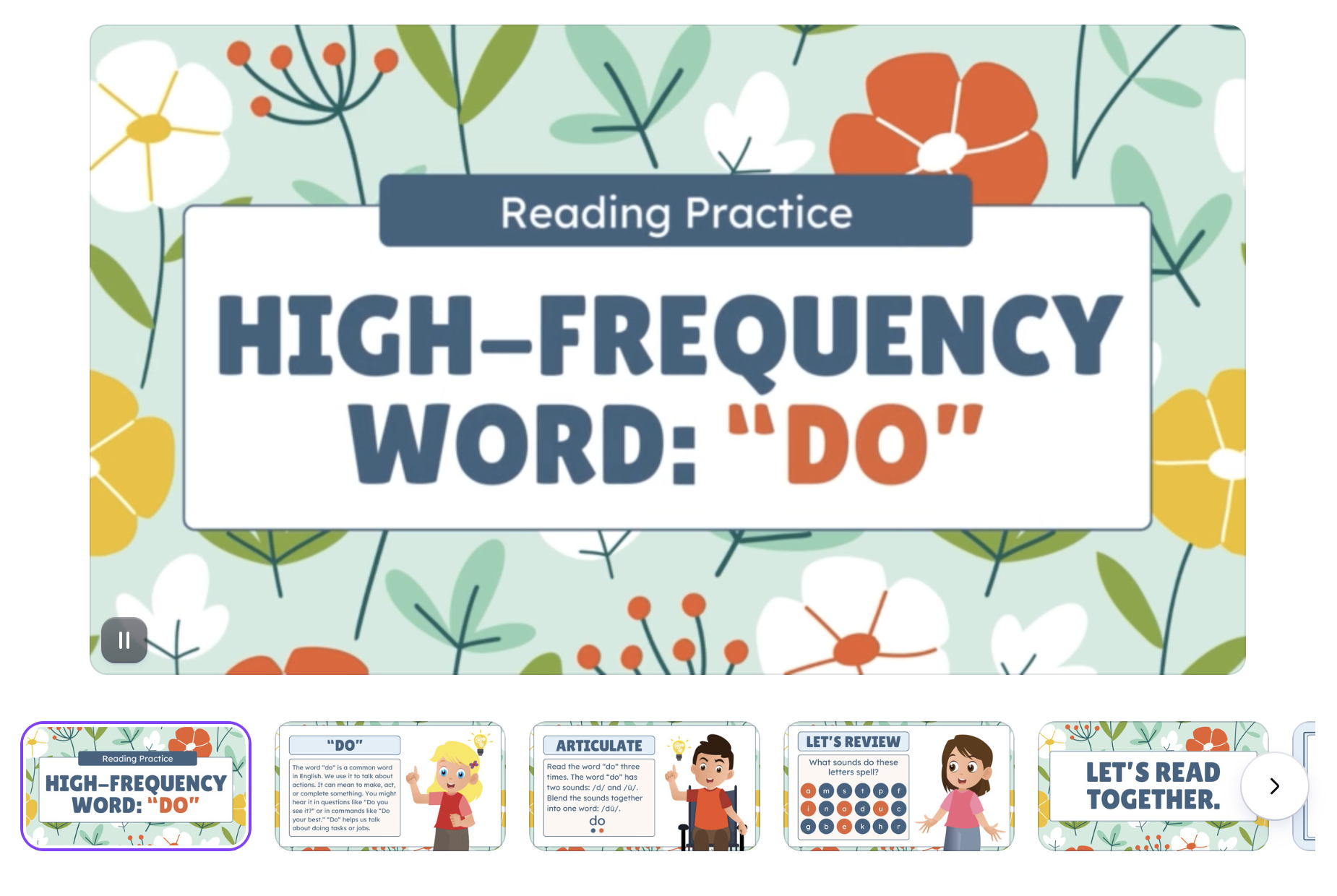
Download the presentation here:
Let’s Practice Reading Phrases
Read and point to each word:
do a run
do a dab
do the tap
do the pat
do a skip
do a hop
Ask your child to act out each phrase after reading it aloud!
Let’s Practice Reading Sentences
Do not nag the pup.
Do not pat the cub.
Do a tap on the bag.
Do not tug the rug.
Ask: Which word shows the action? What are we being told to do or not do?
Let’s Practice Reading Connected Sentences
Meg and Pam do a tap.
Meg and Pam do a skip.
Meg and Pam do a hop.
“Do not tap, skip, and hop,” said Gab.
Meg and Pam got sad.
Ask comprehension questions:
What did Meg and Pam do?
Who told them to stop?
How did they feel?
Read and Write
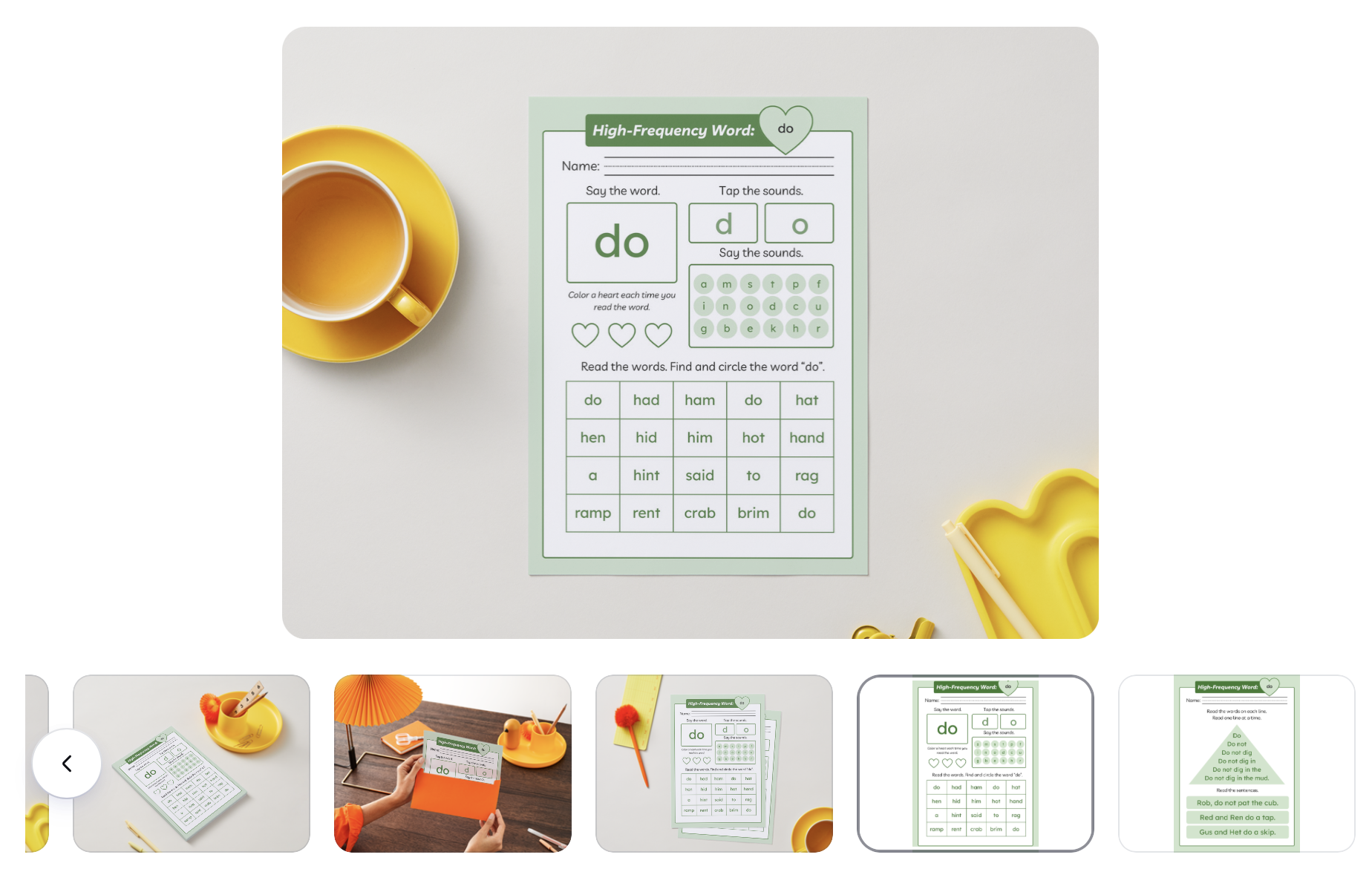
Use worksheets where your child can:
Read and find the word “do”.
Write it independently.
Download the “Do” Practice Worksheet Here:
Conclusion
The word “do” is a powerful little helper word in English. It connects us to actions and questions we use every day. Through play, reading, and repetition, your child will become confident reading and using “do.”