Lesson 29: Ww /w/
- Reading Bulilit
- Beginning Readers
What Will We Learn Today?
Today we’re learning the letter Ww, which spells the sound /w/—as in wig or wet. In this lesson, your child will learn how to say the /w/ sound, write uppercase and lowercase Ww, and blend and read short words, phrases, and connected sentences using this round and wiggly consonant.
How to Make the /w/ Sound
The /w/ sound is a voiced, continuous sound made with rounded lips and a relaxed tongue.
Here’s how to help your child say it:
Round your lips like you’re blowing a bubble.
Keep your tongue low and relaxed.
Turn your voice on.
Let the sound flow out: /wwwww/
Articulate
Say it together:
“Let’s say /w/ like the wind blowing—/wwwww/!”
Stretch it a little to feel the movement of your lips.
Encourage your child to watch themselves in a mirror as they say the sound.
How to Write the Letter Ww
Time to grab your whiteboard and marker!
Uppercase W
Draw a slanted line down.
Then slant up.
Draw another slant down.
Finish with a final slant up to complete the W.
Lowercase w
Draw a smaller version of the uppercase W.
Slant down, slant up, slant down, slant up.
Use air writing, tracing, or forming the letter with pipe cleaners or yarn to make it fun.
Download the presentation here:
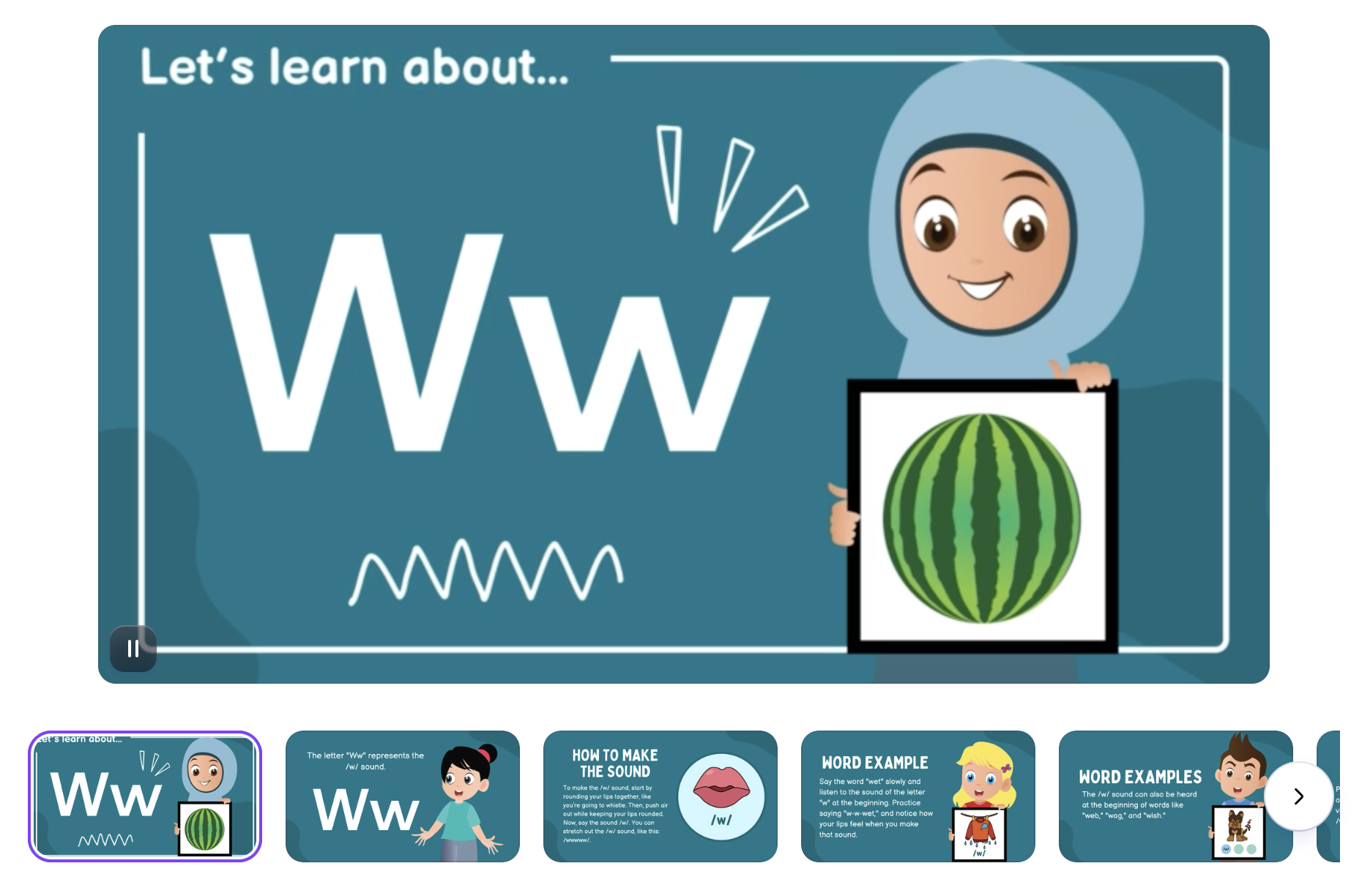
https://www.canva.com/templates/EAGPvRywUz4-letter-ww-presentation/
Let’s Practice Reading Words
Practice blending these words that include the /w/ sound:
wag – wik – wed – went – wilt – swam – twig – wig – wok – wet – wept – wind – swig – twin – web – win – west – welt – wisp – swim – swag
Model slowly:
“/w/ – /ĭ/ – /g/” → wig
Then blend smoothly.
Let’s Practice Reading Phrases
the wet wig
the sad twin
a red twig
a hot wok
the flat wig
swim and win
Ask your child to point to each word and read aloud together.
Let’s Practice Reading Sentences
The wind is fast.
The twig went west.
The wig is wet.
I wept as the wig went.
The wisp is red and flat.
Encourage rereading and expression. Ask which words begin with /w/.
Let’s Practice Reading Connected Sentences
You may combine phrases and short sentences into a mini story for fluency and comprehension practice:
The tan wig is on the mat. The mat is red, flat, and wet. Ken said "Sam, do not get the wig wet!" Sam got the wig. "The wig is wet," said Sam.
Ask:
What was on the mat?
What happened to the wig?
Trace and Write
Use printable worksheets where your child can:
Trace uppercase and lowercase Ww
Write the letter independently
Download the Ww Worksheets Here:
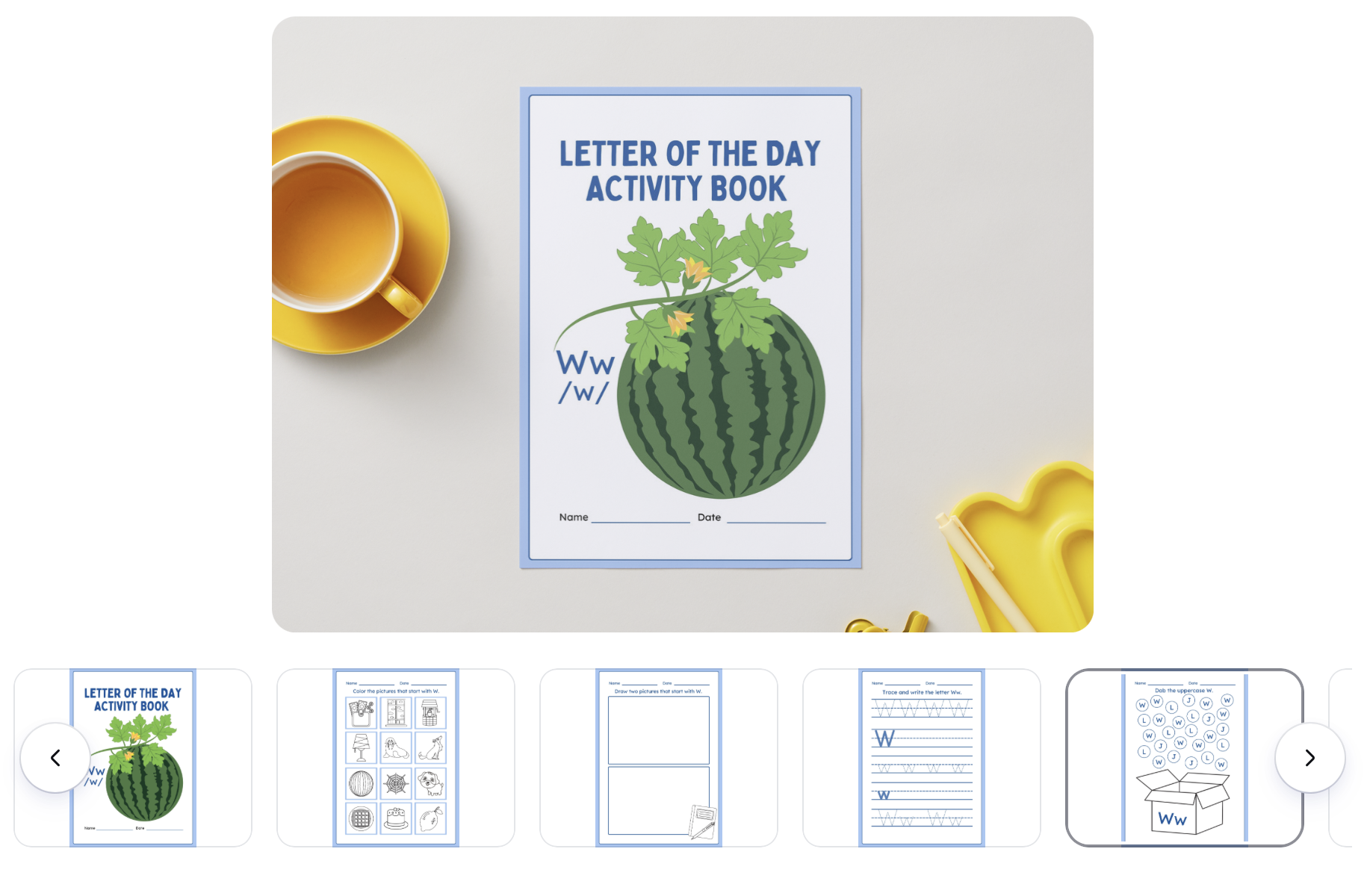
https://www.canva.com/templates/EAE3pCDAc6M-letter-ww-alphabet-worksheets/
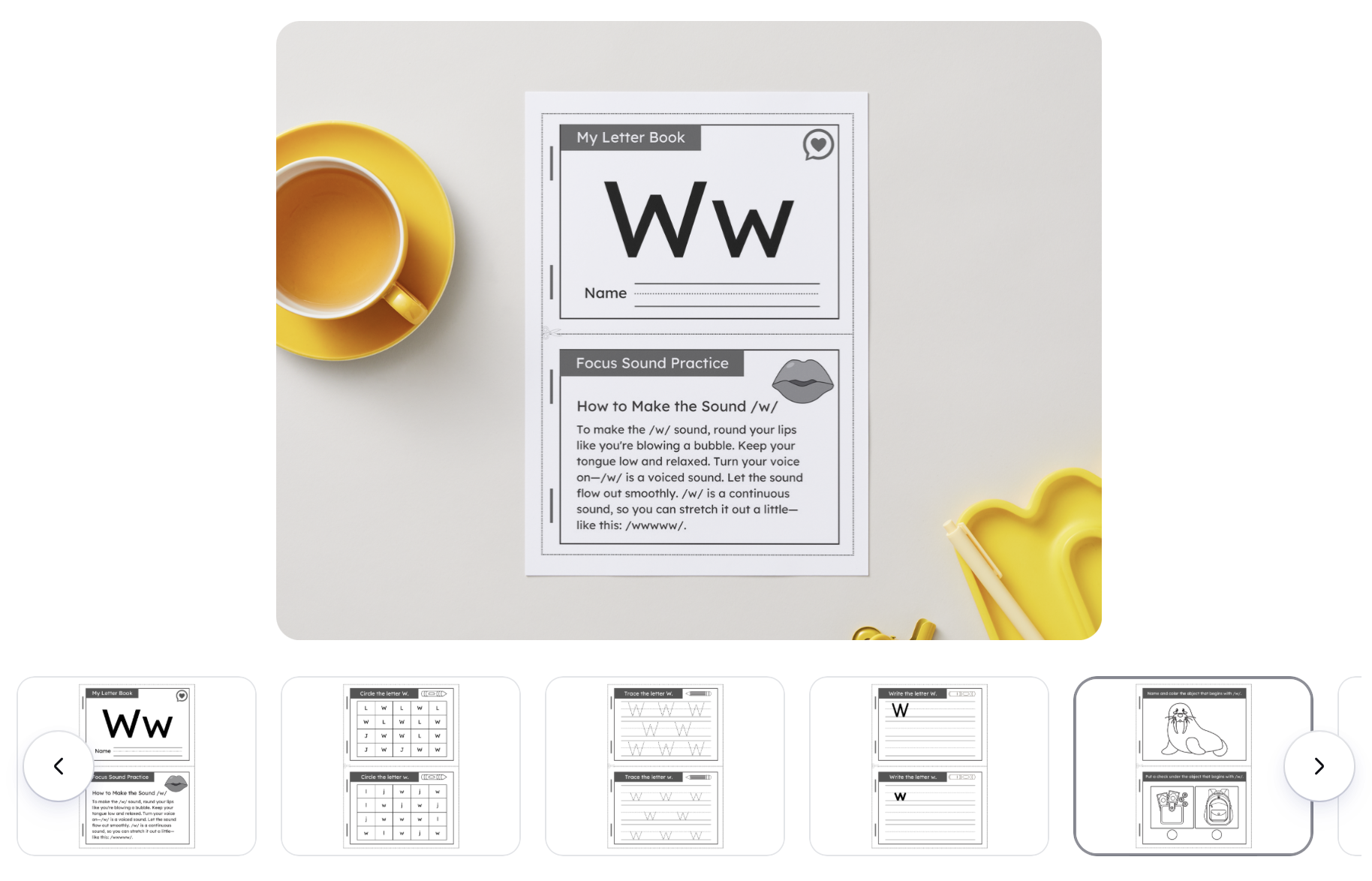
https://www.canva.com/templates/EAE3h6zLzqg-alphabet-letter-w-tracing-and-coloring-worksheets/
Flashcards – Beginning Sound Focus
Use picture flashcards to practice the /w/ sound in words.
Examples:
web
wig
waffle
wood
Ask:
“What sound do you hear at the start?”
“Which letter makes that sound?”
Download Ww Flashcards – Beginning Sound Set Here:
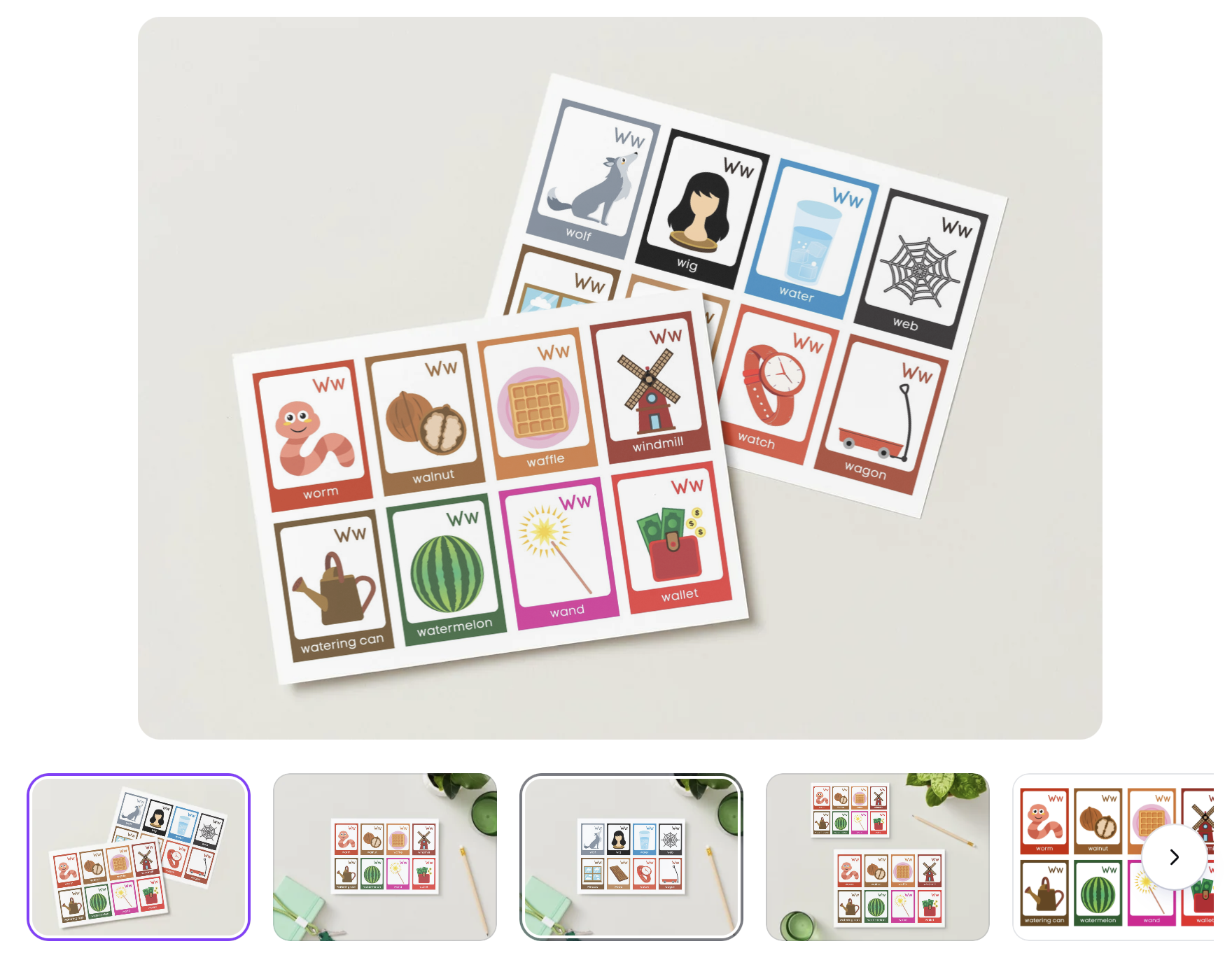
https://www.canva.com/templates/EAE2JkXgu34-letter-w-alphabet-flashcards/
Conclusion
The /w/ sound is smooth and gentle—and helps children read lots of fun, familiar words. With writing, blending, and meaningful practice, your child will gain fluency and confidence.