Lesson 42: High-Frequency Word "are"
- Reading Bulilit
- Beginning Readers
What Will We Learn Today?
Today we’re learning the word “are”—a high-frequency word used to talk about what someone is doing or being right now. In this lesson, your child will learn how to read the word “are”, understand what it means, and use it in phrases and connected sentences.
How to Read the Word “Are”
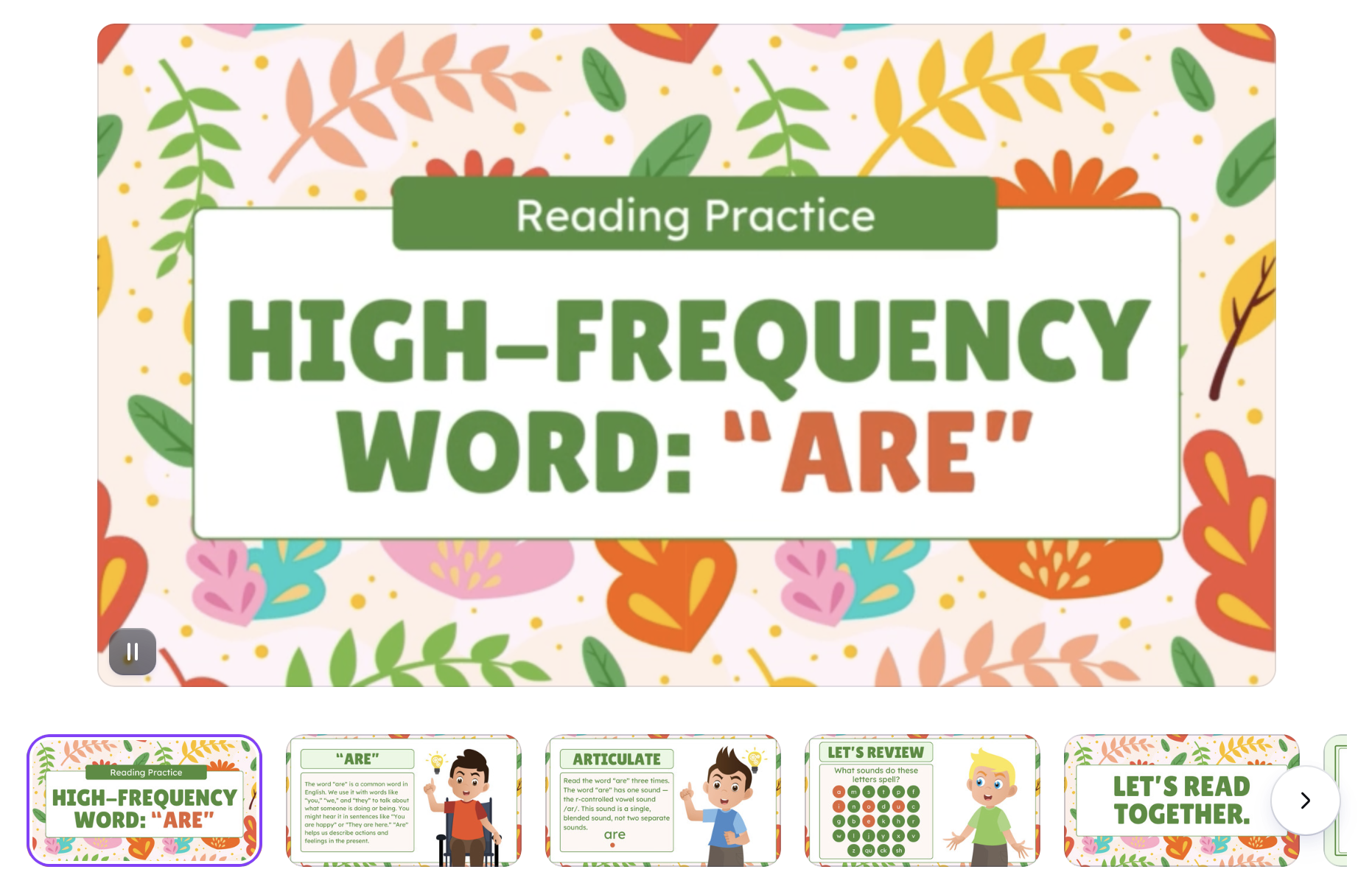
Read the word “are” three times. The word “are” has one sound — the r-controlled vowel sound /ar/. This sound is a single, blended sound, not two separate sounds.
What Does “Are” Mean?
We use “are” to talk about:
What someone is doing right now
What someone or something is like now
Examples:
“You are kind.”
“The cats are hungry.”
“We are at home.”
The word “are” works with you, we, and they to describe the present.
Download the presentation here:
Let’s Practice Reading Phrases
are the pups
are at the mat
are on top
are not hot
are in the bag
are the cats
Tip: Have your child read each phrase slowly, then blend the words smoothly.
Let’s Practice Reading Sentences
You are on the mat.
You are at the top.
The cats are big and fat.
The cubs are in the box.
Encourage your child to point to the word “are” in each sentence and read it aloud with confidence.
Let’s Practice Reading Connected Sentences
The pups are in the box.
The box slid.
The pups run to the mat.
The cats run to the mat.
The pups are fast.
The pups fit on the mat.
The cats do not.
The pups are glad.
Ask your child:
Who are in the box?
Why are the pups glad?
Make Your Own “Are” Phrases and Sentences
Invite your child to create three phrases and three sentences using “are”.
Phrases:
are so fast
are in the van
are very kind
Sentences:
You are my friend.
The kids are in the cab.
They are on the mat.
This helps build fluency and understanding of the word in context.
Find and Write
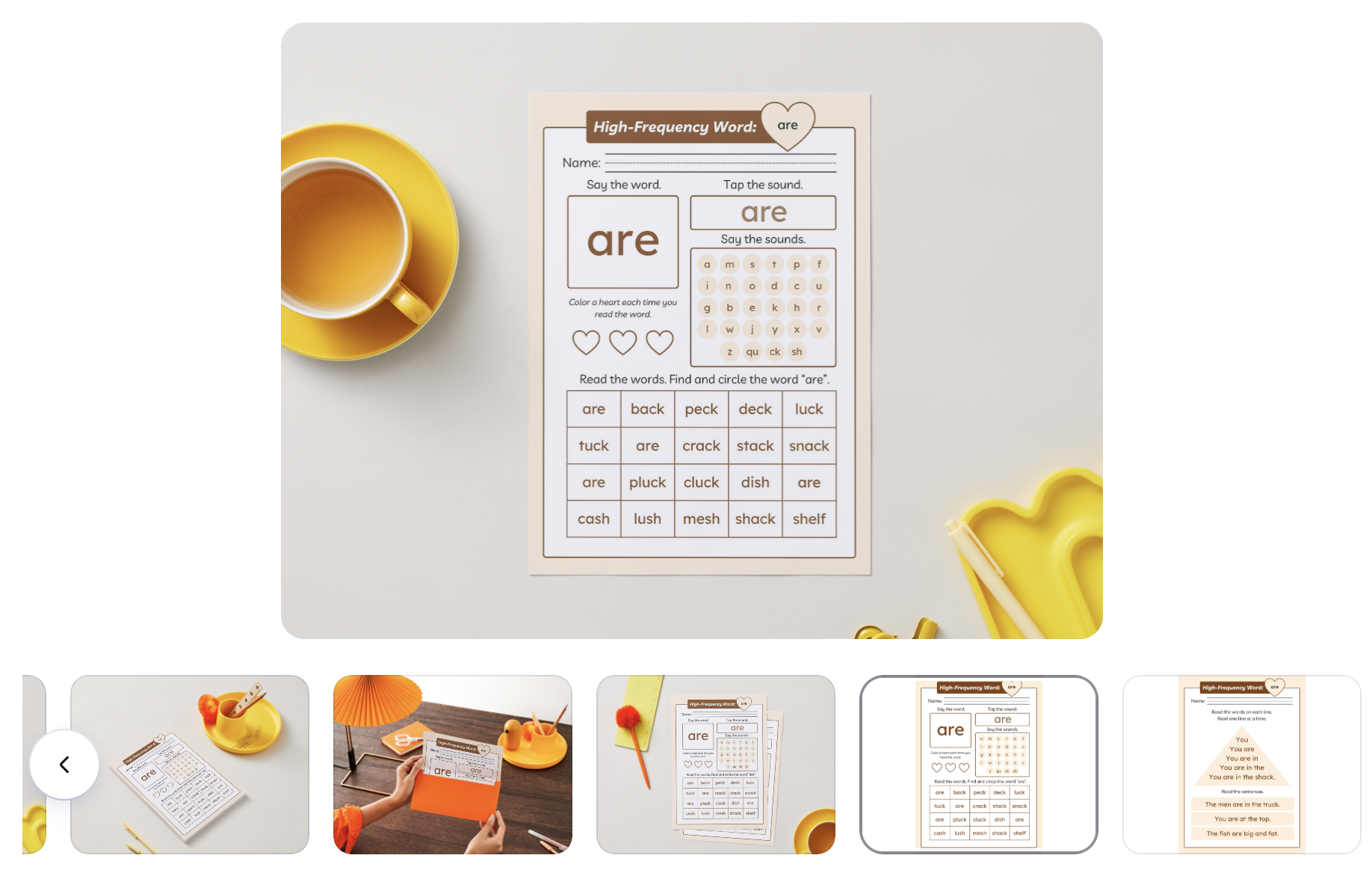
Use worksheets to help your child:
Find and trace the word “are”
Write it on their own
Download the “Are” Practice Worksheet Here:
Conclusion
The word “are” helps children build stronger grammar and reading fluency. With fun and repeated practice, your child will confidently recognize and use “are” in speech and writing.