Lesson 45: High-Frequency Word "have"
- Reading Bulilit
- Beginning Readers
What Will We Learn Today?
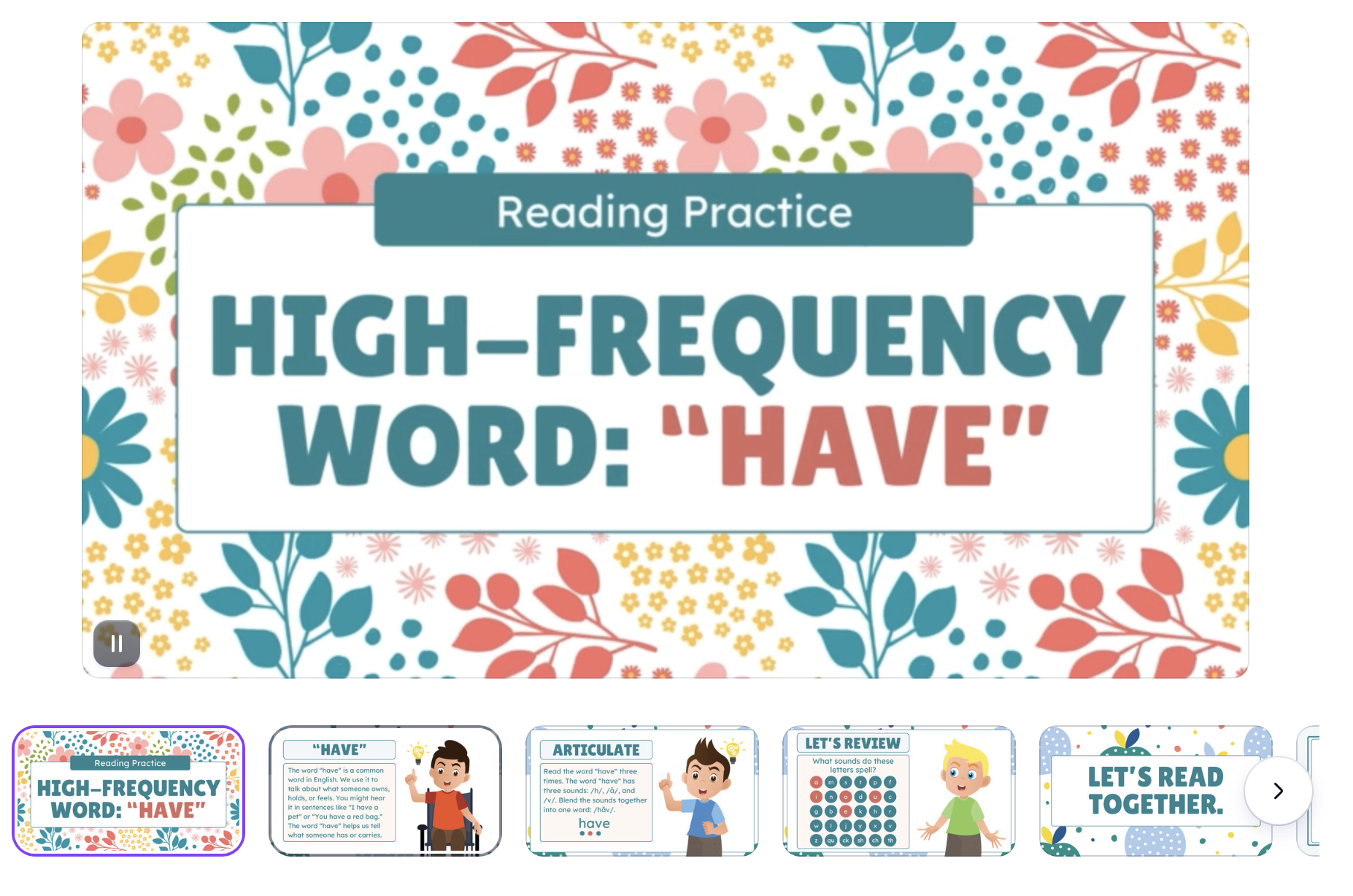
Today we’re learning the high-frequency word “have”—a word we use every day to talk about what someone owns, holds, or feels. In this lesson, your child will learn how to read the word have, blend its sounds, and use it in phrases and sentences to build meaning and fluency.
How to Read the Word “have”
The word have has three sounds:
/h/ – like in hat
/ă/ – like the short a in cat
/v/ – like in van
Blend the sounds together: /h/ – ă/ – /v/ → have
What Does “have” Mean?
We use have to talk about:
Possession – something you own or hold: I have a pencil.
Experiences or feelings – I have a cold. or Do you have a plan?
Examples:
I have a pet.
You have a red bag.
We have a plan.
Let’s Practice Reading Phrases
have a big jug
have the log
have a red box
have the hat
have a map
have a nap
Ask:
“What do you have in this phrase?”
“Can you say it with expression?”
Let’s Practice Reading Sentences
You have a big hat.
Do you have a map?
Zed and I have a red bag.
Did you have a nap?
Encourage your child to point, read, and reread smoothly.
Let’s Practice Reading Connected Sentences
I have the map to the hut.
I have a cap.
You have a big bag.
We have the mat and the map.
“Zip the bag,” said Mom and Dad.
Help your child act it out or draw what’s happening in the story for extra fun!
Find, Trace, and Write
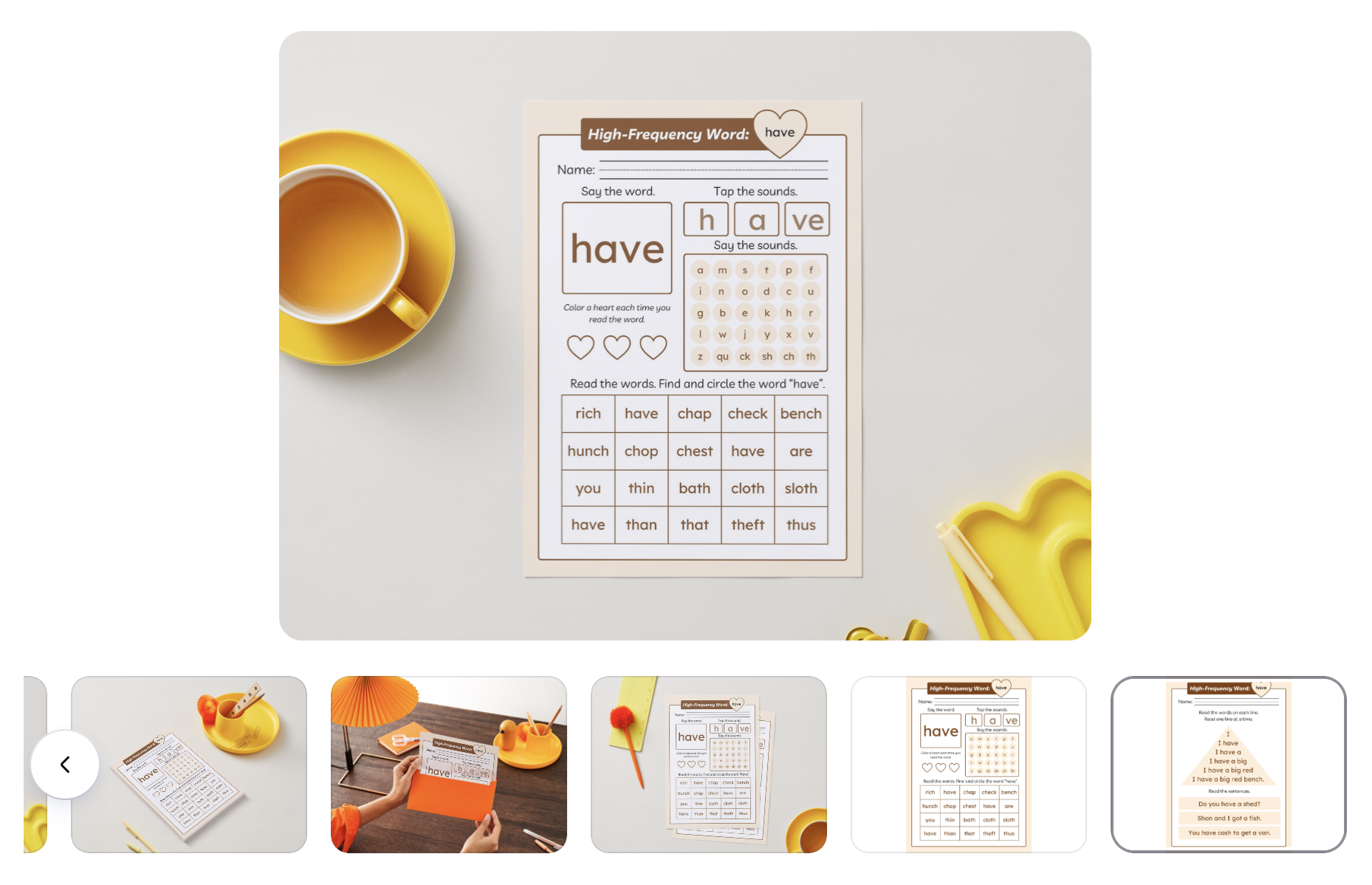
Use printable worksheets where your child can:
Trace and write the word have
Find the word have
Download the “have” Worksheet Here:
Conclusion
The word have is small but powerful! It helps us talk about what people hold, own, or feel. With lots of practice using it in reading and speaking, your child will recognize and understand it easily.